Parcel packaging bag
Our bags for parcel shipping
Clothing, accessories, spare parts, samples: before leaving with the carrier, each item benefits from being protected in a suitable bag. Flexico manufactures bags with an adhesive flap, Minigrip® zip bags, and slider bags for e-commerce businesses, logistics providers, and industrial companies that ship every day.


Primary, secondary or tertiary packaging: which should you choose?
The three packaging levels do not serve the same purpose:
- Primary packaging: it is in direct contact with the product. It is the bag that wraps the garment or groups the parts.
- Secondary packaging: it brings together several units, such as the box that groups the items in the same order.
- Tertiary packaging: it is used for transport and handling, from the parcel handed to the carrier through to the pallet for bulk shipments.
Flexico mainly operates in primary packaging: it is what protects the product most closely and often conveys the brand image when the parcel is opened. For flexible, less fragile products, a strong, opaque, well-sealed, custom-developed bag can also handle shipping on its own.
Protecting your products inside a cardboard box
Cardboard absorbs impacts, but it does not protect against moisture, dust, or friction between items. A bag slipped around each product completes this protection:
- Zip bags: Minigrip® bags group together screws, spare parts or accessories, and remain resealable upon receipt.
- Gusseted bags: the bottom gusset adds volume for thick products without putting stress on the seals.
- Wicketed bags: supplied in bundles, Wickett wicketed bags can be taken one by one for fast manual packing during order preparation.
The product arrives clean, without scratches, and ready to be stored or put on display.
View all our bags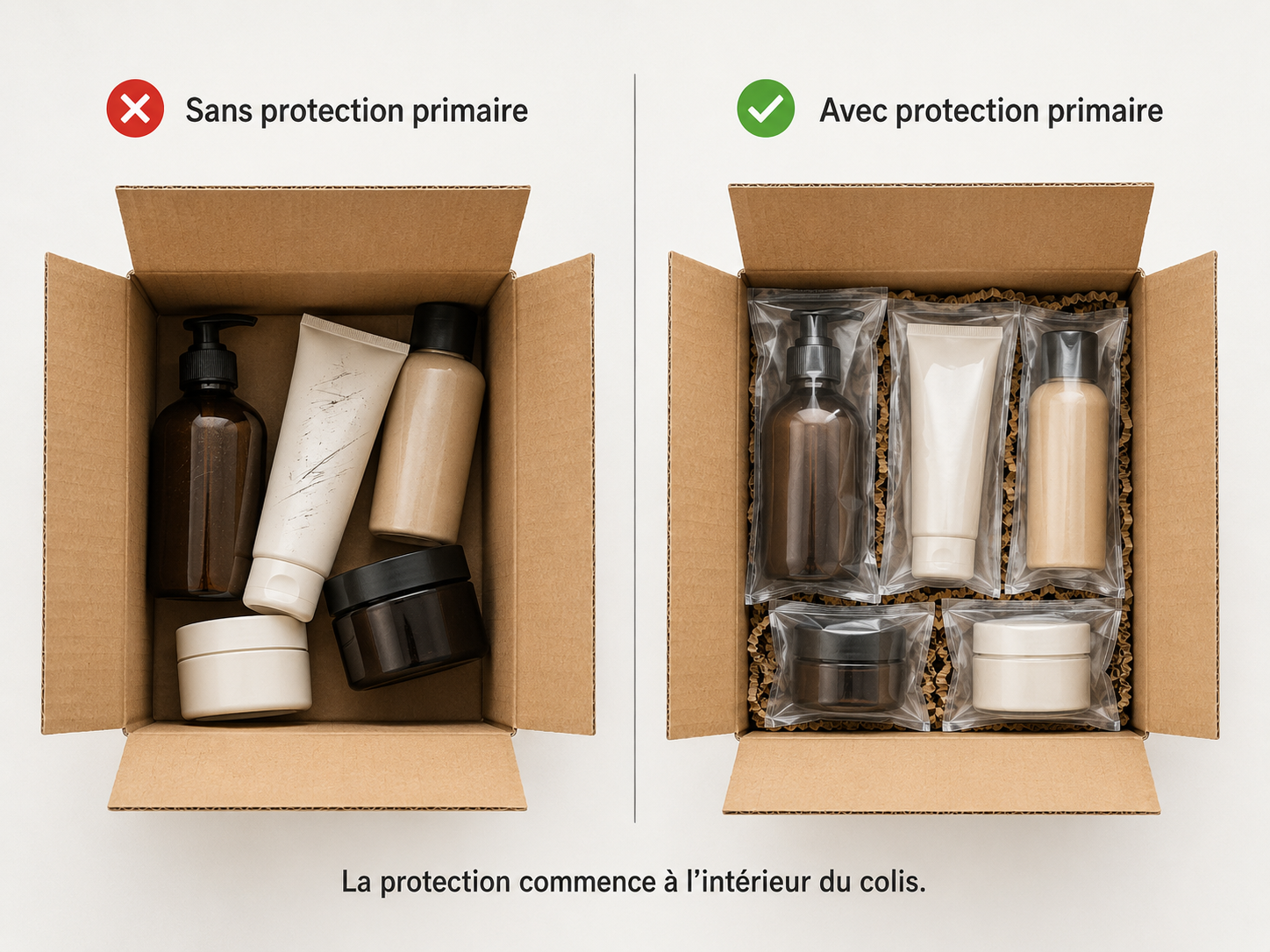
Which bag format should you choose to send a parcel?
The right bag depends first and foremost on the product being shipped:
- Clothing and textiles: the adhesive-flap bag seals in one motion and protects against dust and moisture. The version with a bottom gusset accommodates thick items, such as a folded sweater. See our solutions for fashion and textiles.
- Small parts and samples: the Minigrip® zip bag can be resealed many times and keeps items together. The write-on panel version makes it possible to identify the contents by hand.
- Accessories and valuable items: the 100 µm slider bag offers convenient opening and good strength, and its handle makes handling easier.
Each range is available in several standard sizes. With custom-made options, the size is adjusted to your product to reduce empty space and shipped volume.
Get advice from our experts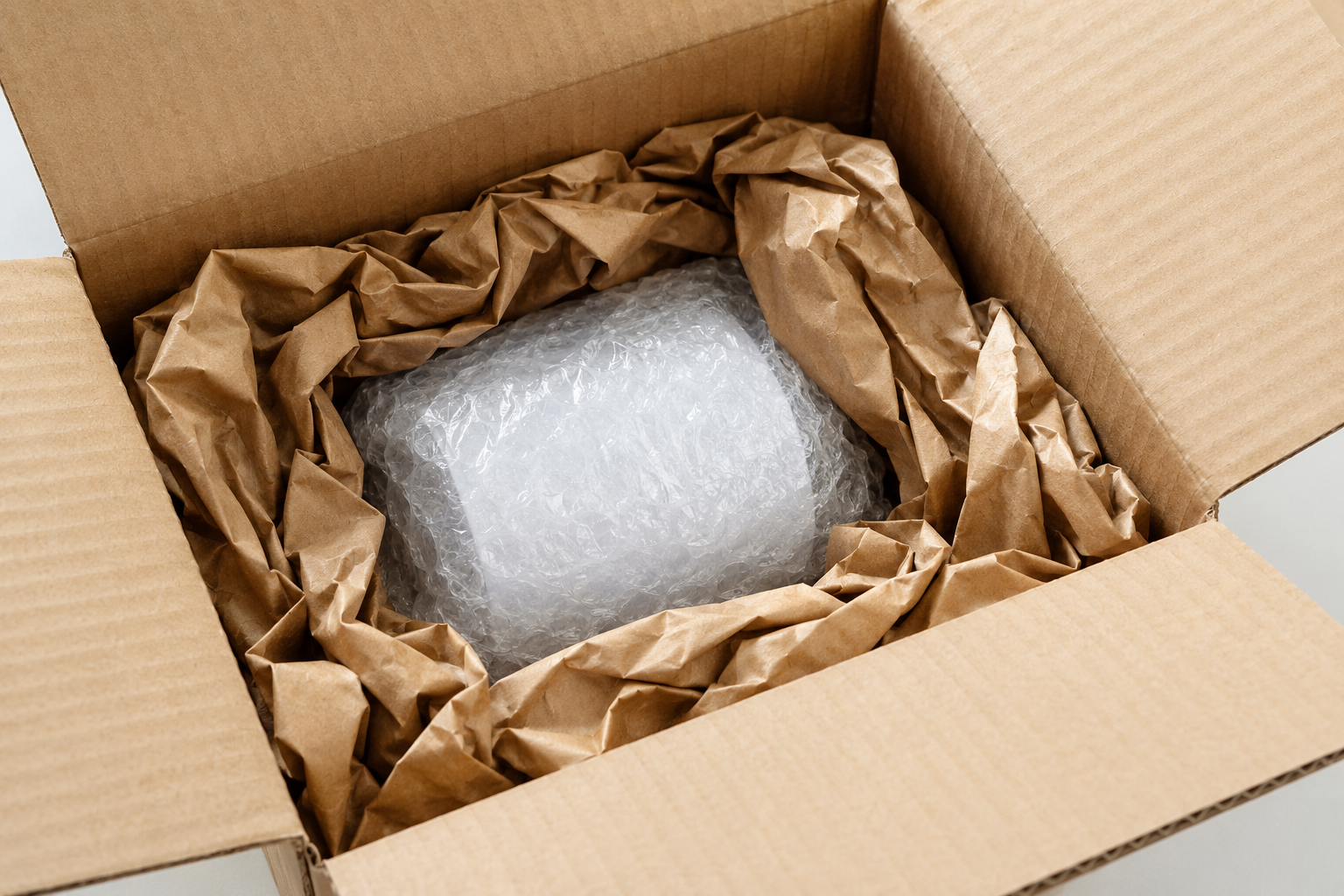
Adhesive closure and tamper evidence
The adhesive flap is available in two versions, depending on shipping use:
- Repositionable: the flap opens and closes again without losing adhesion. Your customer can reuse the same bag for a return or exchange, which simplifies reverse logistics.
- Permanent: once sealed, the bag cannot be opened without damaging the flap. Any attempt to open it is visible—an advantage for valuable goods, sensitive products, and confidential documents.
In apparel, the repositionable flap has an additional advantage: the customer can take out and touch the item without damaging the packaging, then put it back in its original bag.
Discover our adhesive-closure bags
Eco-friendly shipping bags

The adhesive-flap bag is available in 100% recycled and recyclable PE, made from regranulated plastic offcuts. Minigrip® is available in a post-consumer recycled or bio-based version made from sugarcane. And a repositionable bag reused for a return means one less piece of packaging.
Our eco-responsible productsCustomization and professional volumes
For professionals who ship regularly, the bag becomes a brand medium and a logistics tool:
- Printing: logo, colors, messages or product information, in flexography, gravure, offset or digital printing.
- Material: virgin, recycled or bio-based PE; opaque to conceal the contents; or glossy PP for presentation.
- Format: thickness from 40 to 150 µm depending on the material, with or without a gusset, dimensions tailored to your products.
- Closure and options: repositionable or permanent flap, zip, slider, tamper-evident system, hanging hole.
Quantities and lead times depend on the model, printing, and manufacturing site: our teams will prepare a proposal suited to your volumes. Discover all options on the custom packaging page.
Request a quote
Frequently asked questions about parcel bags
It all depends on the product. For a rigid or fragile item, a cardboard box remains essential, complemented by a bag that protects the product from moisture and friction. For a flexible, less fragile product, such as clothing, a strong, well-sealed bag may be sufficient. In all cases, packaging that fits the product reduces empty space, void fill, and billed volume.
This is possible for flexible, less fragile products: textiles, linens, accessories. Choose an opaque bag that is thick enough, sealed with a permanent adhesive flap to make any opening visible. Expel the air before sealing and keep a flat surface for applying the label. To define the right material, thickness, and closure for your products, speak with our experts.
A bag does not replace void fill. For a fragile product, place it in a rigid box with cushioning that prevents it from moving. The bag is still useful inside: it protects against scratches, dust, and moisture, and keeps small parts together so they do not get lost.
Each carrier sets its own weight and size limits, which should be checked before choosing your format. The bag must be properly sealed and provide a flat surface for the label. For delivery to a pickup point, see our parcel shipping guide.
Yes, in the repositionable version: the flap opens and closes again without losing adhesion, making it possible to reuse the bag for a return. The permanent version is intentionally not reusable: it guarantees tamper evidence for the shipment.
Our polyethylene bags are recyclable in France, including those made from recycled PE and bio-based PE. Polypropylene bags are recyclable in countries with an appropriate recycling stream, but not yet in France. See the details on our materials page.