Bio-based Minigrip®
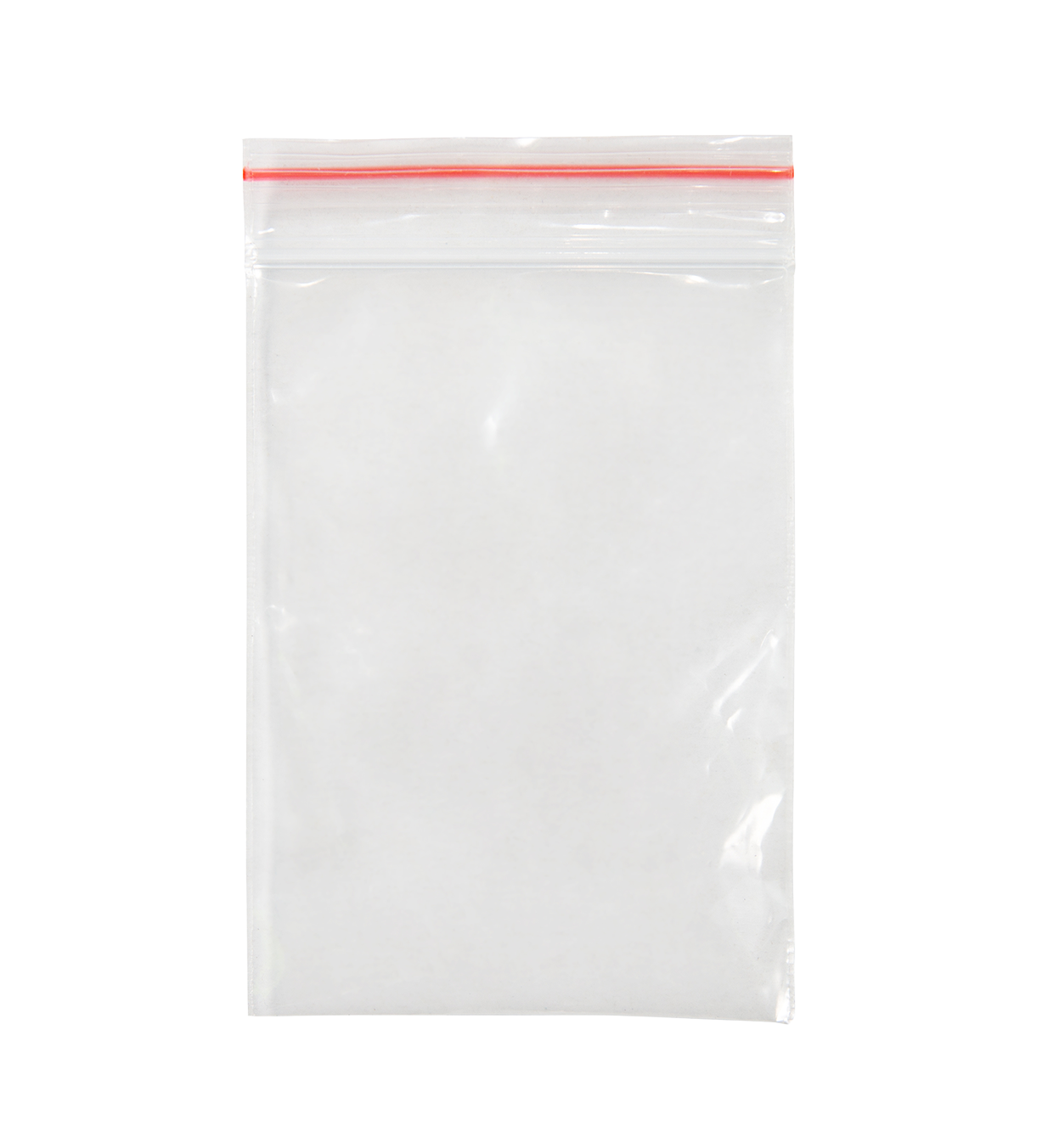
Clear bio-based zip bag, resealable and recyclable


Carbon footprint of bio-based packaging
Here is the carbon footprint for 1,000 standard-size zip bags (160 x 220 mm): our three Minigrip® ranges, made in France, compared with an equivalent bag made in Asia.
 |
 |
 |
 |
|
| Product | Minigrip® Original | Bio-based Minigrip® | Recycled Minigrip® | “Asia” pouch |
| References (examples) | ITM020237 | ITM010133 | ITM011237 | |
| Material used | Virgin PE | PE (sugarcane) | Recycled PCR | Virgin PE |
| Dimensions | 160 x 220 mm | 160 x 220 mm | 160 x 220 mm | 160 x 220 mm |
| Thickness in microns | 60 µm | 50 µm | 60 µm | 50 µm |
| Weight | 5.290 g | 4.409 g | 5.291 g | 4.409 g |
| Production footprint kgCO2/1000 | 10.30 kg/1000 | 3.14 kg/1000 | 6.81 kg/1000 | 13.07 kg/1000 |
| Packaging: carton weight in grams | 220 g | 220 g | 220 g | 220 g |
| Pallet type + weight | MT 25 kg | MT 25 kg | MT 25 kg | MT 25 kg |
| Cartons/pallet | 60 | 60 | 60 | 60 |
| Packaging footprint kgCO2/1000 | 0.11 | 0.11 | 0.11 | 0.11 |
| Gross weight* | 5.511 | 4.630 | 5.511 | 4.630 |
| Km for transport | ≈ 400 km | ≈ 400 km | ≈ 400 km | ≈ 2,500 km |
| Container transport | – | – | – | 21,515 km |
| Transport footprint kgCO2/1000 | 0.226 | 0.188 | 0.226 | 1.48 |
| TOTAL kgCO2/1000 pouches | 10.64 kg CO2 | 3.44 kg CO2 | 7.15 kg CO2 | 14.66 kg CO2 |
* Gross weight: pouch weight + packaging + pallet
Number of pouches per carton: 1,000 pouches and number of cartons per pallet: 60 cartons
The carbon footprint of bio-based Minigrip® pouches is 76% lower than pouches made in Asia with the same thickness (50 µm) and 68% lower than Minigrip® Original pouches.
This difference is explained by two factors: sugarcane absorbs CO2 during growth, and the thickness of the bio-based bag is reduced to 50 µm, compared to 60 µm for the Minigrip® Original.


Bio-based packaging made from sugarcane
A bio-based package is manufactured, in whole or in part, from renewable plant-based materials rather than fossil resources. Made in France, our Bio-based Minigrip® zip bag range incorporates polyethylene (PE) derived from sugarcane, a renewable resource that helps reduce greenhouse gas emissions.
- Same quality as classic PE: the bio-based zip bag complements the Minigrip® Original and Recycled Minigrip® ranges.
- Food-safe, resealable and reusable.
- Recyclable in the polyethylene stream.
- Recognizable by its three green lines on the film.
We support local employment by extruding and manufacturing our pouches in our two production plants in Oise.
Manufacturer of bio-based zip bags
A pioneer in resealable zips since 1950, Flexico launched its first range of bio-based bags in 2020. We control the entire manufacturing chain:
- Integrated production: extrusion in Hénonville and shaping in Maignelay, our two factories in the Oise region.
- Quality and environment: ISO 9001 and ISO 14001 certified management.
- Custom-made: bio-based PE is one of the materials offered for our personalized packaging developments.
- Project support: our teams help you choose the material most consistent with your objectives, whether bio-based, recycled, or recyclable.
Frequently asked questions about bio-based packaging
It is packaging made, in whole or in part, from biomass—that is, renewable plant-based material—instead of fossil resources like oil. In our bio-based Minigrip® bags, part of the polyethylene is derived from sugarcane. The carbon in this material comes from the CO2 absorbed by the plant during its growth.
No. Bio-based refers to the origin of the material, while biodegradable describes its end of life. Bio-based PE has the same properties as fossil-based PE: it is not biodegradable, but it is recyclable in the polyethylene stream. It should therefore not be disposed of in nature or in compost.
Yes. Bio-based PE is recycled just like classic polyethylene, through a stream available in France. Like all our Minigrip® bags, the bio-based bag is also resealable and reusable, which extends its lifespan before recycling.
Yes. Our bio-based PE is food-safe: the bio-based Minigrip® bag is used for food products just like its Original equivalent. Discover our other materials on the materials page.
Specific markets
The materials

Discover the different materials we use for manufacturing our pouches or our closure systems. We offer recycled, recyclable, or bio-based materials.